
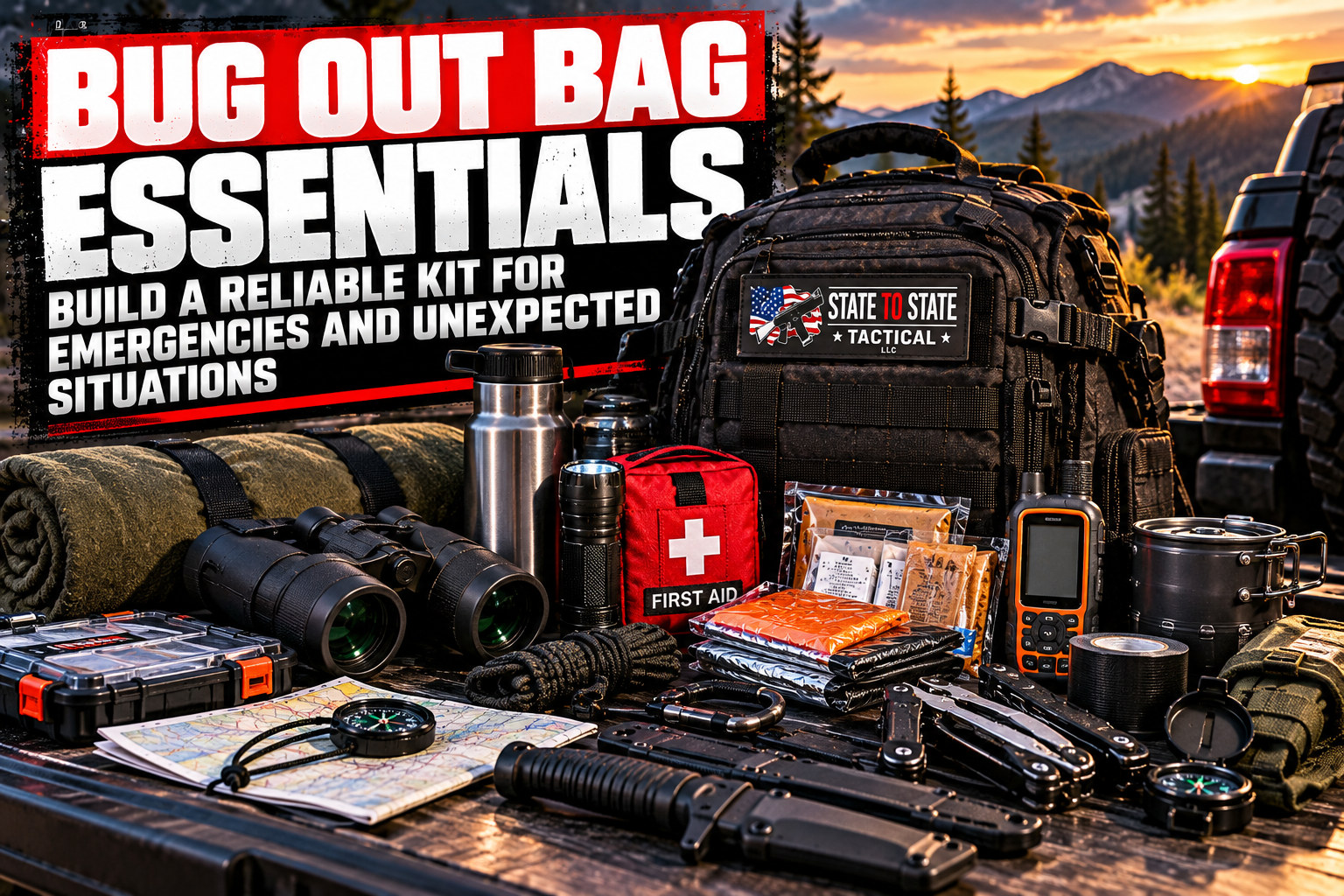
When an evacuation order, wildfire, hurricane, power disruption, or another emergency requires you to leave home quickly, having essential supplies organized can save valuable time. A practical bug out bag—also known as an emergency go-bag—focuses on necessities you can carry comfortably and access without searching through drawers and closets.
This guide explains what to pack, how to organize it, and how to avoid common mistakes. The right bag is based on your household, location, transportation, and emergency plan rather than a one-size-fits-all gear list.
What Is a Bug Out Bag?
A bug out bag, sometimes called a go-bag, is a portable collection of essential supplies you can take when an evacuation or unexpected disruption requires you to leave quickly. It should support your immediate needs while you reach a safe destination—not replace an evacuation plan, emergency services, or longer-term household preparedness.
Start With Your Evacuation Plan
Before buying gear, identify likely local hazards, evacuation routes, meeting locations, and a place to stay. Consider how you would travel, who is coming with you, and what each person needs. Follow local evacuation orders and emergency alerts. A packed bag is useful only if you can safely carry and access it.
1. Choose a Comfortable Backpack
Look for durable stitching, adjustable shoulder straps, a supportive back panel, and accessible compartments. A tactical backpack can offer organization, but the best bag is one you can comfortably carry when loaded. Test the fit and weight before an emergency. Avoid filling every pocket simply because space is available.
2. Water and Hydration
Pack drinking water appropriate for the people in your group and your likely travel conditions. Include a reusable bottle and, when suitable, a portable filtration or treatment option. Understand the limitations of filters: not every product removes viruses or chemical contaminants. Follow official water safety guidance.
3. Food That Travels Well
Choose ready-to-eat, shelf-stable food requiring little or no preparation. Consider dietary restrictions, allergies, children, and pets. Check expiration dates regularly and rotate supplies. A compact food supply is more useful than bulky items that require equipment you might not have.
4. First Aid and Personal Medications
Include a basic first aid kit with bandages, wound dressings, gloves, and other supplies you know how to use. Account for necessary prescription medicines and personal medical items according to professional guidance, storage requirements, and refill rules. Keep an up-to-date medication list where it can be found quickly.
5. Flashlight, Headlamp and Power
A reliable flashlight or headlamp can help you navigate low-light conditions. Add spare batteries or a compatible charging method. A charged power bank and cables for your phone can support communication and access to emergency information. Inspect electronics and recharge them on a regular schedule.
6. Weather Protection and Clothing
Pack a lightweight rain layer, extra socks, appropriate warm clothing, and an emergency blanket based on your climate. Use waterproof pouches or bags to keep critical clothing and documents dry. Seasonal conditions matter: update the bag for summer heat, winter cold, or changing travel plans.
7. Navigation and Communication
Store a paper map of your area, important addresses, and emergency contact information. Download offline maps to your phone in advance. A battery-powered weather radio can provide updates when ordinary services are disrupted. Do not assume cellular coverage will be available everywhere.
8. Hygiene and Sanitation
Pack travel-size hygiene supplies, tissues, hand sanitizer, waste bags, and personal care items. Add supplies for infants, older adults, and anyone with specific care needs. Keeping these items in a separate pouch prevents leaks and makes them easier to access.
9. Documents, Cash and Essential Information
Keep protected copies of essential documents and a small amount of cash where appropriate. Consider identification, insurance details, emergency contacts, and critical medical information. Protect sensitive information from loss or theft and avoid carrying unnecessary originals.
10. Useful Tools Without Excess Weight
A compact multitool, whistle, duct tape, and cordage may be useful for ordinary repairs or signaling. Choose legal, practical equipment you understand how to use. Skip heavy gadgets and duplicate tools that add weight without meeting a realistic need.
Make the Bag Work for Your Household
Children, pets, older adults, and people with disabilities may require additional supplies. Prepare for mobility limitations, feeding needs, hearing or vision aids, service animals, and essential charging equipment. A single generic packing list will not fit every household.
Where Should You Store Your Go-Bag?
Choose a dry, accessible location near a practical exit, away from extreme temperatures where possible. Make sure everyone in the household knows where it is. If you keep supplies in a vehicle, account for heat, cold, theft risk, and the possibility that the vehicle will not be accessible during an evacuation.
How Often Should You Check It?
Review your bag at least seasonally and whenever household needs change. Rotate food, water, batteries, and medicines as appropriate. Inspect straps, zippers, waterproof storage, and the condition of electronics. Walk a short distance with the packed bag to confirm the load is manageable.
Common Bug Out Bag Mistakes
Avoid overpacking, choosing equipment solely by appearance, forgetting medications, relying only on a phone for navigation, and failing to practice your evacuation plan. The goal is a useful, organized bag that can actually leave with you.
Bug Out Bag FAQ
How many days should a bug out bag cover?
Many preparedness checklists use roughly 72 hours as a planning starting point, but actual needs depend on local hazards, evacuation destinations, and official guidance. Carry only what is practical and plan for resupply and shelter.
Is a tactical backpack required?
No. Any comfortable, durable backpack with suitable capacity and organization can work. Tactical-style bags are one option, not a requirement.
Should each family member have a bag?
Where practical, individual bags can distribute appropriate supplies, but children and people with mobility limitations should carry only safe, manageable loads. Coordinate essential shared items.
Can I use the same bag for camping and emergencies?
Some gear overlaps, but emergency supplies should remain available and complete. If you borrow items for recreation, replace them promptly and inspect the bag afterward.
Review local emergency-management guidance for your region, including evacuation alerts and shelter information. Being prepared includes knowing when to leave and where to go.
Leave a Reply