
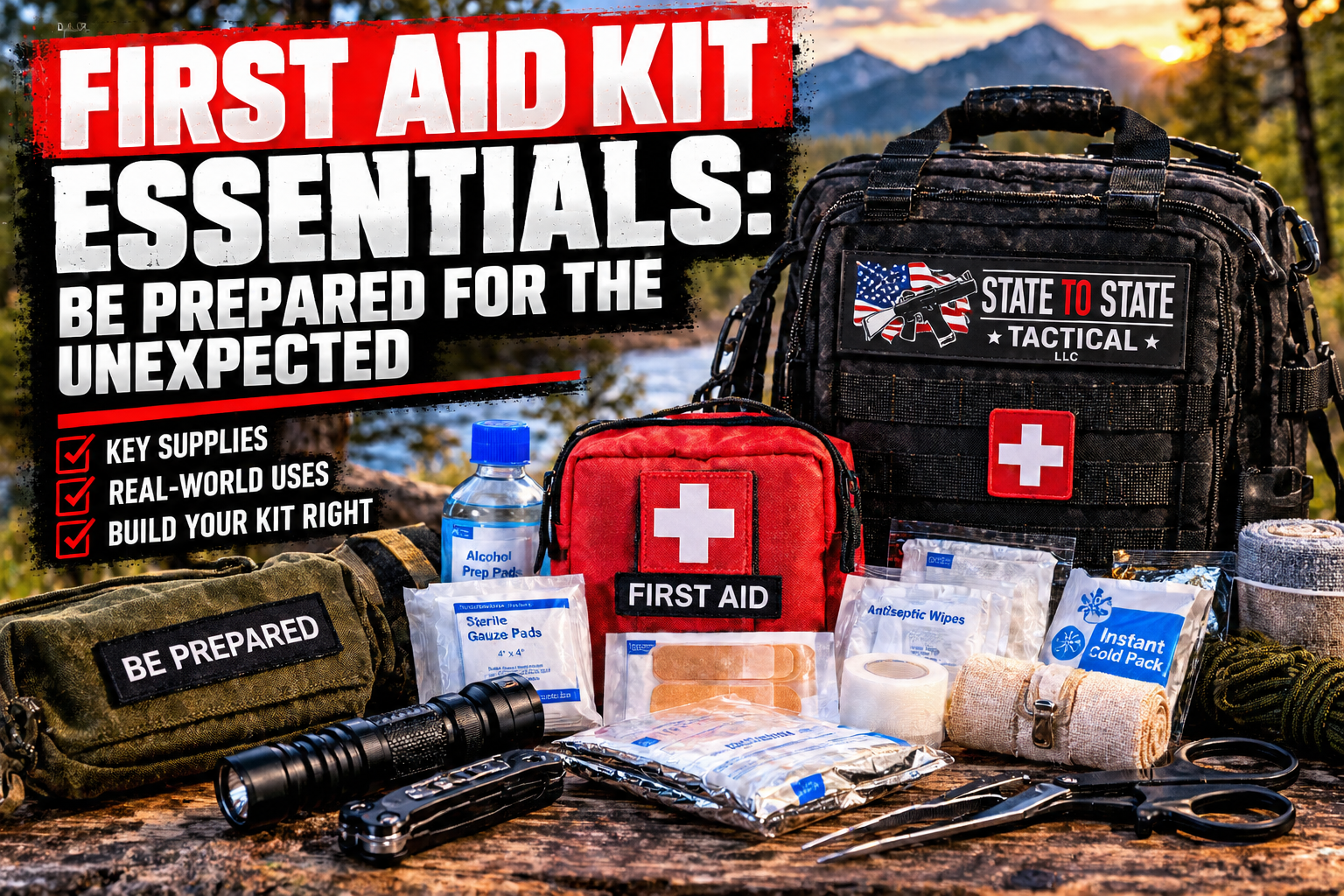
A reliable first aid kit is one of the most practical pieces of preparedness equipment you can keep at home, in a vehicle, or in an outdoor bag. But a useful kit is not simply a collection of products: it should match your activities, remain organized, and be backed by basic first aid knowledge.
This guide walks through first aid kit essentials, storage tips, and common mistakes so you can build a sensible kit without overpacking. It is educational information, not individualized medical advice.
Why a Dedicated First Aid Kit Matters
Minor cuts, blisters, and scrapes are common during travel, work, and outdoor activities. A well-organized first aid kit helps you find supplies quickly while waiting for professional care when needed. It does not replace medical training or emergency services.
Start With Your Real-World Needs
Think about where the kit will be used: home, car, campsite, workshop, or hiking trail. Consider the number of people, distance from medical care, weather, and any personal medical needs. Store medications according to their labels and consult a clinician about personal requirements.
1. Adhesive Bandages and Sterile Dressings
Pack assorted adhesive bandages for small cuts and abrasions. Include sterile gauze pads in multiple sizes and nonstick dressings for wounds that should not adhere to the covering. Keep packaging sealed and replace items that become wet or damaged.
2. Gauze Rolls, Medical Tape, and Elastic Wraps
Rolled gauze can help hold dressings in place; medical tape helps secure them. Elastic wraps may provide support for minor sprains when used appropriately. Avoid wrapping tightly enough to impair circulation, and seek evaluation for significant injuries.
3. Cleaning and Hygiene Supplies
Include disposable nitrile gloves, hand sanitizer, and individually packaged cleansing wipes. Clean minor wounds with safe running water when available. Follow product directions and avoid using harsh chemicals inside wounds.
4. Basic Tools and Accessories
Useful additions include blunt-tip bandage scissors, tweezers, a digital thermometer, a small flashlight, and a CPR face shield if you have been trained to use it. Keep sharp tools safely secured and inspect batteries regularly.
5. Cold Packs and Emergency Blankets
Instant cold packs can help with temporary comfort after some minor injuries when used as directed with a protective layer between pack and skin. A compact emergency blanket can provide wind protection and help reduce heat loss, but it is not a substitute for shelter or medical attention.
6. Emergency Information and Communication
Carry emergency contact details, relevant allergy and medication information, and local emergency numbers. Keep a charged phone and backup power option nearby. In the United States, call 911 for a serious medical emergency.
7. Severe Bleeding: Training Comes First
Life-threatening bleeding requires immediate emergency action. Call emergency services and follow dispatcher instructions. Training in direct pressure and other bleeding-control methods can be valuable; specialized equipment such as commercial tourniquets should be used with appropriate instruction. Consider a recognized Stop the Bleed course.
8. Personal Medications and Allergies
If prescribed emergency medications are needed, work with a healthcare professional on what to carry, how to store it, and when to use it. Check expiration dates and temperature requirements. Do not share prescription medicines.
9. Choose the Right Bag or Case
A compact pouch with labeled compartments is often easier to use than a large, unorganized pack. Water-resistant materials help protect contents. Bright internal labels and an inventory card make restocking easier. Keep the kit accessible, not buried beneath unrelated gear.
10. Home, Vehicle, and Outdoor Kits Are Different
A home kit can hold bulkier supplies; a vehicle kit must tolerate temperature changes and remain secured during driving. Hiking kits prioritize low weight, moisture protection, and access. Adjust supplies for local conditions rather than copying an oversized checklist.
11. Inspect and Restock on a Schedule
Check the kit every few months and after each use. Replace expired, opened, contaminated, or damaged supplies. Test flashlights, refresh contact information, and review the inventory with everyone who might need the kit.
12. Common First Aid Kit Mistakes
Avoid relying on a kit you have never opened, buying supplies without learning their uses, leaving heat-sensitive items in a hot car, and packing so much equipment that the essentials are hard to locate. Organization and training matter as much as the number of products.
Learn Skills Alongside Buying Gear
Consider taking first aid and CPR/AED training from a recognized provider such as the American Red Cross or American Heart Association. Training helps you recognize emergencies, protect yourself, and know when professional care is necessary.
Quick First Aid Kit Checklist
- Assorted adhesive bandages and sterile gauze
- Nonstick dressings, rolled gauze, medical tape
- Nitrile gloves and hand-cleaning supplies
- Bandage scissors, tweezers, thermometer
- Instant cold pack and emergency blanket
- Emergency contacts and personal medical information
- Inventory card and waterproof storage pouch
Frequently Asked Questions
How often should I check my first aid kit?
Review it every few months and after each use. Replace expired or damaged items and confirm the kit is still appropriate for your activities.
Should I keep a first aid kit in my car?
Yes, a vehicle kit can be useful for travel and roadside incidents. Secure it against movement and pay attention to temperature-sensitive contents.
Is a tactical medical pouch necessary?
Not necessarily. A tactical pouch may help with organization and durability, but accessibility, appropriate supplies, and training matter more than appearance.
Can a first aid kit replace medical treatment?
No. Serious injuries, severe bleeding, breathing difficulty, and other emergencies require prompt professional medical care.
For additional guidance, consult trusted first aid training providers and local emergency services. Review your kit regularly so it stays useful when you need it.
Leave a Reply